
Stop Leaving Calls on the Table: LinkAngler's Guide to Booking More Sales Calls
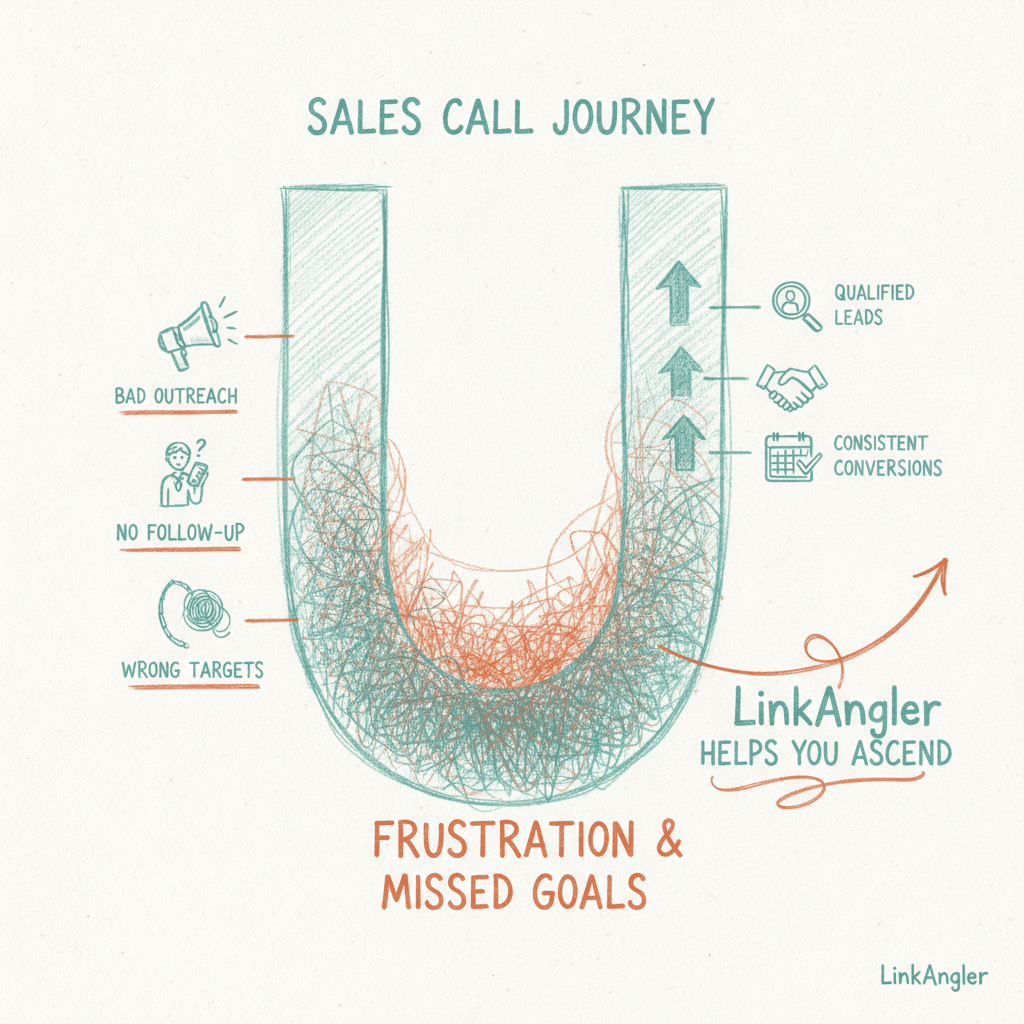
We all want a calendar packed with promising sales calls. It is the lifeblood of any business. But getting there can feel like a constant uphill battle. You are putting in the hours, sending the messages, and connecting with people, but the calls just are not booking up.
It is frustrating. I have been there myself, paying for tools that promised the world but left me doing most of the heavy lifting. That is why I built LinkAngler. I wanted to cut through the noise and genuinely help businesses book more sales calls without the endless manual grind.
The truth is, many common mistakes quietly sabotage your efforts. They are not always obvious, but they cost you potential meetings and, ultimately, revenue. Let's dig into these pitfalls and how you can sidestep them, turning your outreach into a reliable source of booked calls.
Mistake 1: Not Knowing Exactly Who You Are Talking To
This sounds basic, I know. But it is the most common and damaging mistake I see. Many businesses cast a net that is far too wide. They think more connections mean more opportunities. In reality, it means more wasted effort and fewer qualified calls.
If you are not laser-focused on your Ideal Customer Profile (ICP), every message you send is less effective. You end up talking to people who are not a good fit, who do not have the problem you solve, or who cannot make a purchasing decision. This eats up your time, damages your sender reputation if you are emailing, and leaves your calendar looking sparse.
Why a Broad Net Catches Nothing Worthwhile
Think about it. If you offer a bespoke solution for SaaS founders dealing with churn, sending messages to marketing managers in e-commerce companies is a dead end. Your message will not resonate. They will not see the value. They will not book a call. It is that simple.
Your time is your most valuable asset. Every minute spent chasing an unqualified lead is a minute you could have spent engaging with someone who genuinely needs what you offer.
How to Fix It: Precision Targeting
The solution is to get incredibly specific about who you want to talk to. This means going beyond job titles. Consider:
- Industry: What specific sectors do they operate in?
- Company Size: Is it revenue, employee count, or funding rounds that define your ideal client?
- Pain Points: What specific, measurable problems do they face that your solution directly addresses?
- Role and Responsibilities: What decisions do they make? Who do they report to? What are their KPIs?
LinkAngler helps you define your ICP with precision. Our AI lead discovery tools do not just pull lists; they identify individuals who match your specific criteria, down to the nuances of their role and the likely challenges they face. This means when a prospect lands in your outreach sequence, they are already a strong fit. You are not just sending messages into the void; you are starting conversations with people who are actually interested in what you have to say. It is the first step to ensuring every conversation has the potential to become a booked call.
Mistake 2: Sending Generic Messages That Scream "Automation"
You know the ones. "Hi [First Name], I noticed your profile and thought we could connect." Or the instant pitch after connecting. These messages are everywhere. They are easy to spot, and they get ignored. Why? Because they are not about the recipient. They are about you, or worse, they are clearly automated templates with a name merge.
In a world drowning in digital communication, standing out means being genuinely personal. If your message does not immediately show the recipient you understand their world and their problems, it is going straight to the archive or worse, being reported as spam. This is a huge barrier to booking more sales calls.
The Cost of Impersonal Outreach
Beyond the obvious lack of replies, generic messages erode trust. They signal that you do not value the prospect's time enough to craft a thoughtful message. This makes it incredibly difficult to transition to a meaningful conversation, let alone a booked meeting. You are essentially asking someone to give you their time when you have not shown them the courtesy of giving them yours.
How to Fix It: Hyper-Personalisation at Scale
The key is to create messages that feel one-to-one, even when you are sending them to many people. This is not about just dropping in their company name. It is about referencing something specific to them, their company, or their recent activity.
LinkAngler was built to solve this. Our AI doesn't just fill in blanks; it generates genuinely personal outreach messages. It considers public data, their recent posts, company news, and what you know about their specific pain points. But here is the critical part: it is not fully automated blindly. Every message goes through a quality gate. If the AI cannot generate a genuinely insightful, human-sounding message, it flags it for your review. This means nothing goes out that sounds robotic or off-the-mark.
This approach ensures your outreach feels relevant, respectful, and worth replying to. When prospects feel understood, they are far more likely to engage and ultimately accept an invitation to chat. It is how you shift from ignored messages to a steady stream of people wanting to talk. This dramatically increases your chances to book more sales calls.
Mistake 3: Failing to Nurture Interested Prospects Immediately
Someone replies. They show interest. This is gold. But then what? Many businesses fumble this critical moment. They might wait hours, or even a day, to reply. By then, the prospect's attention has moved on. The initial spark of interest has faded. You have missed your window.
Speed matters immensely when a lead shows a flicker of engagement. They are in the moment, thinking about their problem, and considering a solution. Any delay allows doubt to creep in, or for them to get sidetracked by other priorities.
The Dangers of Lagging Response Times
Every hour that passes after an interested reply is a measurable drop in your conversion rate. Studies consistently show that responding within minutes, not hours, dramatically increases the likelihood of booking a meeting. If you are manually sifting through replies and then crafting a response, you are losing valuable momentum.
You are also creating more work for yourself. A backlog of "interested" replies quickly becomes overwhelming, leading to missed opportunities and a feeling of always playing catch-up.
How to Fix It: Instant, Smart Follow-Up
The moment someone expresses interest, you need to provide the easiest path to the next step: a booked call. This means having an automated, yet personalised, system in place.
LinkAngler's hot lead detection automatically identifies interested replies. The moment someone indicates they want to know more, or asks a qualifying question, our system can immediately send them your booking link, often with a tailored message confirming you understand their specific need. This is not a generic "book a meeting" link; it is framed around their specific query or interest.
Imagine waking up to new meetings in your calendar, already booked because LinkAngler handled the immediate follow-up while you were offline. This ensures you capture interest at its peak, turning more replies into actual sales conversations. This proactive approach is key to consistently booking more sales calls without being glued to your inbox.
Mistake 4: Not Keeping Your Outreach Fresh and Relevant
Your initial outreach might grab attention, but what about the people who do not reply immediately? Or those who connected but have not engaged? Many businesses stop there, assuming a single message is enough. It is not. People are busy. They might have seen your message but were distracted, or it was not the right time.
A lack of strategic follow-up means you are leaving a huge percentage of potential calls on the table. But "strategic" does not mean pestering people with the same message repeatedly. It means offering continued value and different angles.
The Trap of "One and Done" Outreach
If your outreach strategy is just a single connection request or a single email, you are operating at a fraction of your potential. You might get lucky occasionally, but it is not a repeatable, scalable process for booking sales calls.
You also risk quickly exhausting your lead lists. If you only hit them once, and they do not convert, you move on, constantly needing new prospects. A better approach is to cultivate relationships over time.
How to Fix It: Multi-Touch, Value-Driven Campaigns
Effective outreach is a journey, not a single destination. It involves multiple touchpoints, each offering value and subtly reinforcing your expertise. This can include:
- Varying your channels: A LinkedIn message, followed by an email (if appropriate), followed by engaging with their content.
- Providing useful content: Sharing a relevant article or case study you have created (or found) that addresses a pain point you know they have.
- Re-engaging cold leads: After a period, re-approach with a fresh angle or a new piece of insight.
LinkAngler's campaign automation allows you to build sophisticated, multi-step sequences. This is not about spamming. It is about intelligently nurturing prospects. For instance, our Article Library feature lets you house your most valuable content. LinkAngler can then automatically share a relevant piece of content with a prospect at the right stage of their journey, positioning you as a helpful expert, not just someone trying to sell.
This give-first approach builds goodwill and keeps you top-of-mind. When the time is right, or when they face a specific challenge, they remember you as the person who provided value. That is when they are ready to book a call. These compounding results are how you keep your pipeline full without constantly chasing new leads.
Mistake 5: Not Optimising Your Outreach Based on What Works
Are you actually tracking what messages get replies? Which subject lines lead to opens? Which CTAs result in booked calls? Many businesses guess. They try a few things, stick with what feels okay, and never truly optimise. This is a massive missed opportunity.
If you are not systematically analysing your outreach performance, you are effectively flying blind. You are leaving conversions on the table because you are not learning from your own data. This is where the real leverage comes from in consistently booking more sales calls.
The Pitfalls of "Set It and Forget It"
Once you launch an outreach campaign, it is tempting to just let it run. But without regular analysis and adjustments, even a good campaign will eventually underperform. What worked last month might not work this month. Your audience evolves, market conditions change, and what captures attention shifts.
Without data, you cannot identify bottlenecks. Is your open rate low? Your click-through rate? Is the problem in your initial message, your follow-up, or your call-to-action? Guessing leads to frustration and wasted effort.
How to Fix It: Data-Driven Optimisation
The only way to consistently improve is to measure everything and iterate. This means:
- A/B testing: Trying different subject lines, opening hooks, or calls-to-action.
- Tracking key metrics: Open rates, reply rates, positive reply rates, and ultimately, booked call rates.
- Analysing content performance: Which articles or resources resonate most with prospects?
LinkAngler provides comprehensive analytics that show you exactly what is working and what is not. You can see which messages in your sequences are getting the best engagement, which lead segments are most responsive, and where prospects are dropping off. Crucially, our system also features self-optimising copy. Over time, it learns what messaging performs best for your specific audience and adjusts future outreach accordingly.
This continuous feedback loop means your outreach gets smarter and more effective with every interaction. You stop guessing and start knowing what drives results. It is how you refine your approach to consistently book more sales calls with less effort, making your outreach a finely tuned booking machine.
Mistake 6: Not Protecting Your Sender Reputation
This might seem technical, but it is fundamental. If your emails are not landing in the inbox, or your LinkedIn account is getting flagged, your outreach efforts are dead before they even begin. Many people jump straight into volume without understanding the critical importance of deliverability and account safety.
Ignoring sender reputation means your carefully crafted messages might never be seen. They end up in spam folders, or worse, your accounts get restricted or banned. This is a nightmare scenario that can completely halt your sales efforts.
The Hidden Costs of Poor Deliverability
When emails go to spam, you lose potential leads and waste the time spent crafting those messages. On LinkedIn, getting flagged can lead to temporary restrictions or even permanent account closure, severing your connection to a vital prospecting channel.
This is not just about avoiding punishment; it is about ensuring your hard work actually gets seen by the right people. Without good deliverability, even the best message is useless.
How to Fix It: Automated Safety and Reputation Management
Protecting your sender reputation requires a multi-faceted approach, often managed behind the scenes. This includes:
- Email warm-up: Slowly building your email account's reputation so providers trust your outgoing mail.
- Inbox rotation: Spreading email volume across multiple mailboxes to avoid hitting sending limits or triggers.
- Smart sending limits: Adhering to platform-specific sending guidelines and staggering messages to appear human.
- Quality gate for all messages: Ensuring messages are genuinely personalised and human-like, reducing the chance of being flagged by AI spam filters or recipients.
LinkAngler bakes all of this in. We handle the complexities of multi-mailbox rotation and warm-up to ensure your emails actually land in the inbox. For LinkedIn, our quality gate and smart sending ensures your outreach looks and feels like it is coming from a human, not a bot. This protects your accounts and maximises the chances of your messages being seen and acted upon. It means you can scale your outreach confidently, knowing your efforts are not being undermined by technical issues. The result is consistently more replies and ultimately, more booked calls.
Transparently, even with the best systems, no platform can guarantee 100% deliverability or account safety, as these factors are also dependent on recipient behaviour and platform policies. However, we implement industry-leading practices to maximise your chances.
Ready to Fill Your Calendar?
Booking more sales calls does not have to be a guessing game or an endless grind. By avoiding these common mistakes and adopting a smarter, more automated approach, you can transform your outreach into a predictable source of new business.
I built LinkAngler because I was tired of tools that over-promised and under-delivered. My goal was to create something that genuinely gives you back your time and fills your calendar. We focus on the outcome: booked calls on autopilot. Not just software features.
If you are spending hours each week on prospecting, messaging, and follow-up, it is time to rethink your strategy. You can quantify that time with our free time audit calculator. It shows you how many hours you are burning and what that is costing you.
Imagine focusing on what you do best, serving your clients, while LinkAngler handles the heavy lifting of finding, engaging, and scheduling qualified prospects. That is the 10 hours to 10 seconds promise we deliver. Start turning those missed opportunities into booked meetings. Your calendar, and your revenue, will thank you for it.